


BENEFITS AND PROPERTIES OF SILK

We spend about a third of our lives in bed.
Yet we rarely question the impact the fabric we sleep on has on us, night after night.
Here's what you can improve over time by sleeping on silk:

THE BENEFITS OF SILK
Discover why silk is considered an ally for skin and hair.

THE BENEFITS OF SILK
FOR THE SKIN
Silk is a natural fiber characterized by a smooth surface with a low friction coefficient, which helps reduce mechanical stress on the skin during sleep. This helps to limit the formation of "sleep wrinkles", preserve skin hydration (thanks to very low moisture regain, equal to 11%), and stimulate collagen production, fighting the signs of aging over time.
Unlike traditional fabrics, silk has a reduced absorbency for cosmetic products, allowing active ingredients to remain on the skin surface longer and promoting their effectiveness.
Fibroin inhibits the proliferation of microbes and bacteria, contributing to the maintenance of the balance of the skin flora. This, combined with physiological micropeeling (due to the smooth surface of the silk), helps prevent the appearance of impurities and reduce phenomena of skin inflammation (e.g., acne).
From a biochemical point of view, silk shows high biocompatibility with the skin: this characteristic, combined with its natural breathability, helps to reduce the risk of skin reactions and limit inflammatory processes.

THE BENEFITS OF SILK
FOR HAIR
Silk significantly reduces friction between hair and pillow during sleep. This helps to limit mechanical damage to the hair fiber, such as breakage and the formation of split ends, promoting visibly stronger and shinier hair.
Thanks to its low absorbency, silk helps to preserve the natural hydration of the hair and scalp and prevents sebum and cosmetic treatments, applied before sleep, from dirtying the hair.
Its breathable properties and its ability to reduce bacterial proliferation help to counteract the formation and reduce the appearance of dandruff.
Furthermore, the reduction of friction and rubbing at night allows you to maintain your hairstyle. The moisturizing action of silk on the hair increases curl definition, preserving its elasticity and reducing frizz. Silk, the thermoregulating fiber par excellence, prevents sweating, keeping hair neater and cleaner for longer.

THE BENEFITS OF SILK
WELL-BEING AND COMFORT
Silk is a natural fibre characterised by high biocompatibility and skin tolerability, which makes it particularly suitable even for the most sensitive skin. Its protein structure helps to reduce the risk of allergic reactions, promoting delicate and non-irritating contact during rest.
Thanks to its ability to regulate heat exchange, silk helps maintain a balanced body temperature. Its high breathability promotes moisture dispersion, reducing night sweats and improving overall comfort.
The naturally hygienic properties of silk help limit bacterial proliferation and reduce the adhesion of microorganisms, such as mites, creating a more stable and controlled environment.
Finally, its extremely soft and smooth surface offers high sensory comfort: cool to the touch, light and delicate on the skin, it is also suitable for the most sensitive individuals, guaranteeing a prolonged feeling of well-being throughout the night.
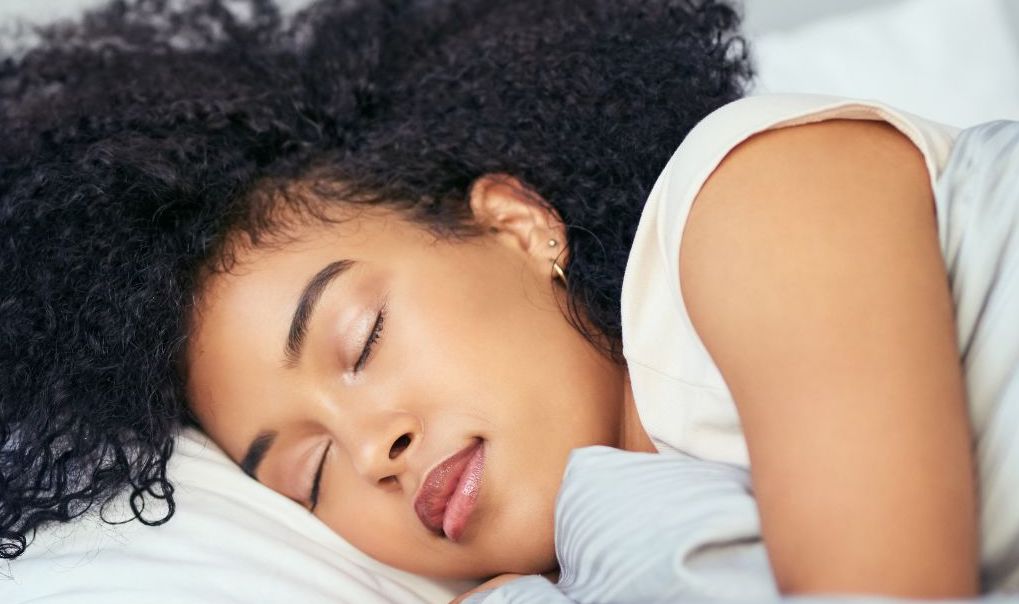
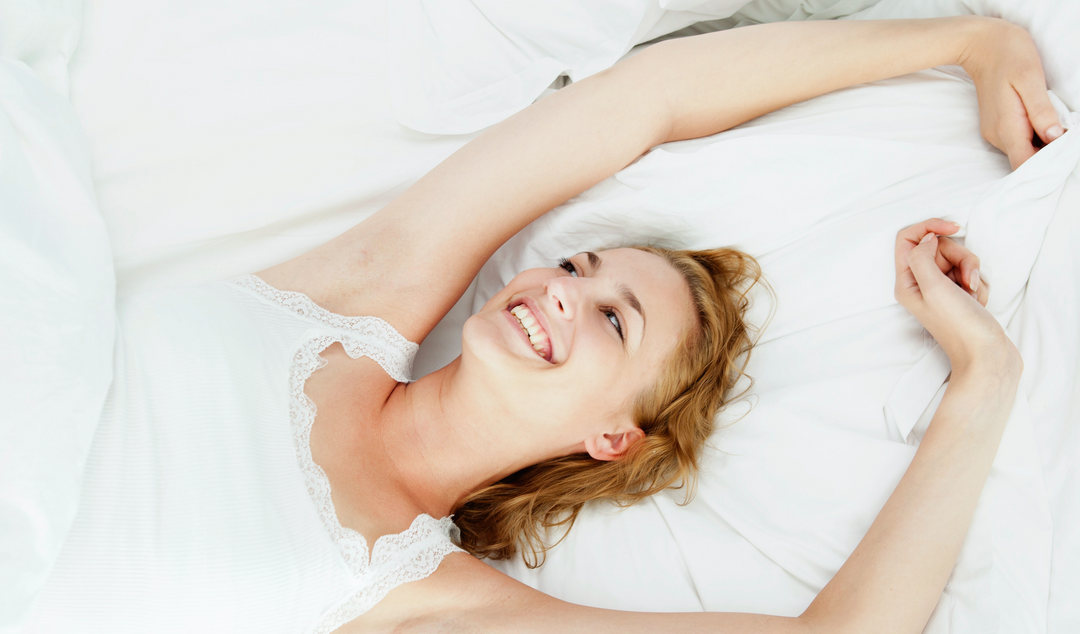
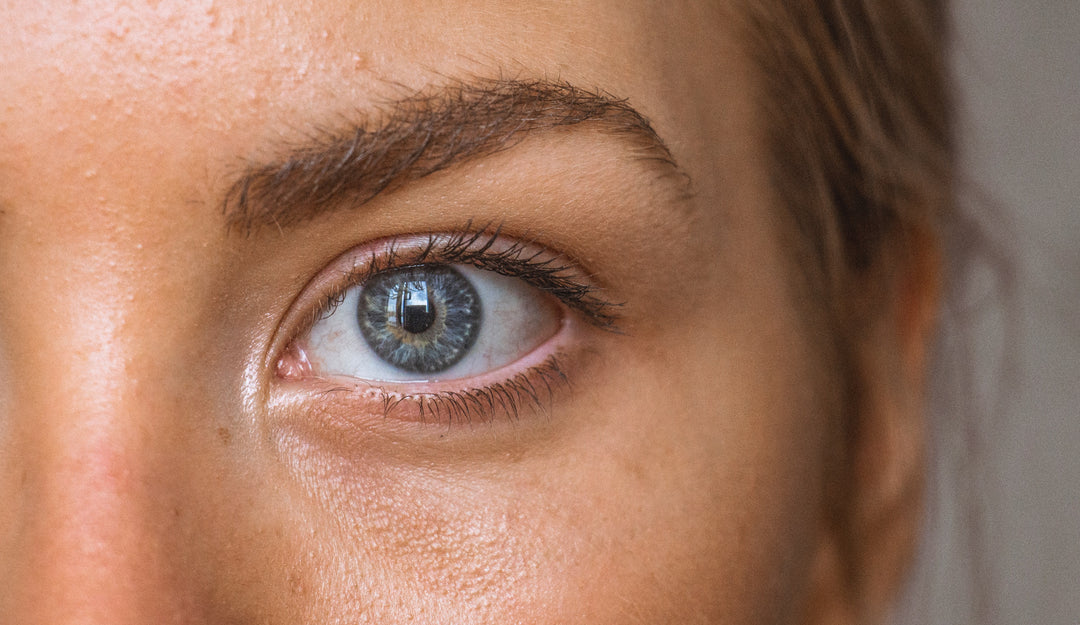
BEFORE AND AFTER SLEEPING ON OUR SILK PILLOWCASES


The benefits of silk come from its inherent and naturally extraordinary properties, which work in harmony to offer comfort, protection, and an authentic sensation.
THE PROPERTIES OF SILK
A MAGICAL FIBER, BY NATURE.
Silk is composed of two biopolymers: fibroin (75%) and sericin (25%).
Sericin is a protein used in cosmetics due to its very high serine content, an amino acid very useful for skin hydration. But beware: the silk used to produce pillowcases is sericin-free, as it is almost completely eliminated during the degumming or scouring processing steps to make the fabric softer and smoother.
Fibroin is the protein that constitutes the fibrous part of silk. Thanks to its β-Sheet molecular conformation and the presence of amino acids such as glycine, alanine, and serine, it determines a unique combination of mechanical and biological properties.
THE PROPERTIES OF SILK
Mechanical interaction with skin and hair
Silk is made of continuous, regular filaments with an extremely smooth surface. This leads to a significant reduction in friction compared to short, uneven fibers like cotton and wool. The reduction in friction:
- limits micro-stress on the skin during sleep, ideal for sensitive skin;
- reduces the formation of compression creases (“sleep wrinkles”);
- decreases mechanical stress on hair (breakage, tangles, frizz).

THE PROPERTIES OF SILK
Hydration and interaction with treatments
Fibroin is less absorbent than cellulosic fibers, with very low moisture regain, equal to 11%, creating a barrier effect. This means that:
- the skin better maintains its natural hydration;
- evening cosmetic treatments (creams, serums) remain on the skin instead of being absorbed by the pillow fabric.
Furthermore, silk acts as a protective barrier, limiting transepidermal water loss and helping to preserve skin hydration. At the same time, it is breathable, promoting the passage of oxygen and contributing to the maintenance of the skin's physiological balance.
These are the reasons why silk does not alter the hydrolipidic film during rest.
PROPERTIES OF SILK
Biochemical affinity and support for skin structure
Fibroin has an amino acid composition comparable to the polypeptide fraction of the skin's natural moisturizing factor (NMF). This leads to:
- high biocompatibility (low risk of skin reactions);
- absence of immunogenicity (low risk of skin reactions);
- hypoallergenic properties, making it suitable even for the most sensitive skin;
- ability to interact with skin cells (stimulation of epithelialization processes);
- stimulation of collagen production, contributing to the maintenance of skin structure.
THE PROPERTIES OF SILK
Antiproliferative action against microorganisms
Fibroin exerts an effect of inhibition of microbial proliferation, ensuring that:
- bacteria proliferate less than in other tissues;
- mites have poor adhesion capacity on the surface;
- it reduces disorders related to imbalances in the skin's bacterial flora, such as acne and dandruff.
This contributes to creating an environment less favourable for the proliferation of microorganisms, with benefits for skin health.